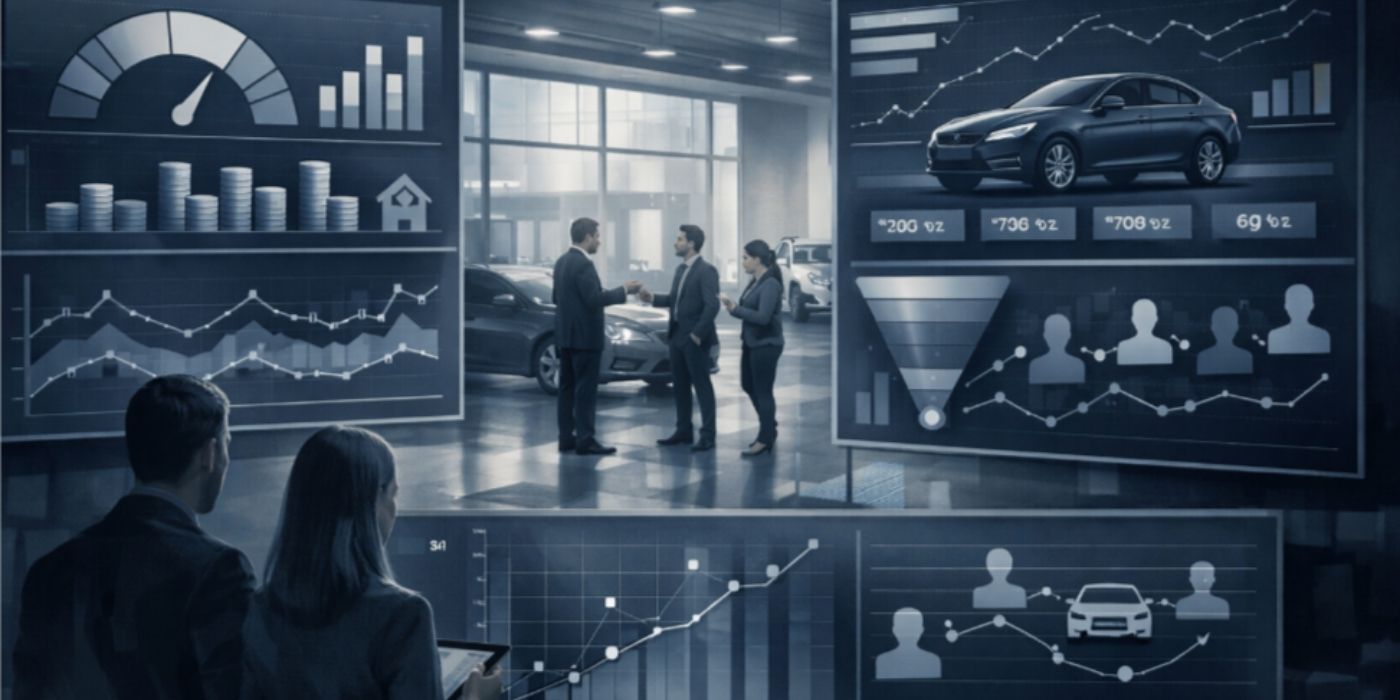
Dealerships face a paradox. According to Deloitte’s 2026 study, 53% of consumers plan to switch brands for their next vehicle. Yet affordability concerns are reshaping what dealers must communicate. Brand loyalty continues to wane while transparent pricing has become table stakes. This creates unprecedented opportunity for dealerships willing to shift how they market to modern buyers.
Torkvia’s platform helps dealership groups navigate this inflection point by translating consumer insights into precision-targeted campaigns. The strategies below represent the tactical playbook for dealers winning in 2026.
Understanding the Consumer Landscape First
Consumers are becoming more value-driven, seeking fairness, trust, and transparency alongside quality and innovation. For dealers, this means affordability, honest pricing, and educational content resonate—not monthly payment hype.
According to Deloitte research, 53% of U.S. consumers plan to choose a different brand for their next vehicle, driven primarily by product quality, performance and pricing. This doesn’t spell doom—it spells opportunity. If a consumer is willing to switch, your marketing can be the reason they switch toward you.
1. Lead with Transparent Pricing & Payment Clarity
Transparent pricing and the ability to physically interact with the vehicle remain top purchase factors, reinforcing why dealer visits stay the primary information source. Build a marketing message around your pricing philosophy—not as a promotional tactic, but as a core brand differentiator.
Tactic: Create dedicated landing pages comparing monthly payments across trim levels and financing terms. Use real-time inventory data to show exact pricing for in-stock vehicles. Automated Lost Sale emails achieved 59% open rates and 18% click rates, proving that well-timed follow-up resurrects deals.
2. Segment by Purchase Intent, Not Just Demographics
Generic marketing to “car buyers” is obsolete. Use first-party data from your website, CRM, and purchase history to segment by buying stage. Send early-research buyers educational content (comparisons, financing guides, EV charging explainers). Send late-stage buyers inventory-specific offers. Dealers spending 50% digital show 25% better sales performance, but only if targeting the right audiences at the right moments.
3. Invest Heavily in Email Automation (Not Just Email Marketing)
Email marketing ROI delivers $40-44 per dollar spent—the highest-returning channel across all automotive marketing disciplines. Automated campaigns vastly outperform manual sends.
Tactic: Implement lifecycle automation triggered by customer actions—browsing vehicles, abandoning test-drive bookings, or service appointment reminders. Stock Alerts achieve 52% open rates and 18% click-through rates. Standard campaigns return $0.16 per recipient while automations return $5.47—a 34x difference. This is a requirement, not a tactic.
4. Capitalize on the Service Department as a Sales Engine
Dealers often overlook their greatest marketing asset: satisfied service customers. Service customers show 3x higher lifetime value than sales-only customers, yet service receives less than 20% of marketing budgets.
Tactic: Use service department data to identify loyal customers ready to trade vehicles. Send targeted upgrade communications to customers whose leases are ending or vehicles are approaching the 5-year replacement cycle. Service departments outperform sales across all email metrics, with 10-point advantages in open rates and 7-point advantages in click rates. Leverage this advantage systematically.
5. Target Non-Loyal Buyers with Value-Based Messaging
With 53% of consumers planning to switch brands, competitive conquest is now standard strategy. Build lookalike audiences of your current customers and target competitive owners with comparison-based ads. Personalization delivers 5-8x ROI on marketing spend and lifts sales by 10% or more, especially when tailored to address competitor weaknesses.
6. Create Educational Content Around Affordability Concerns
Driving range, charging time, and cost remain top EV concerns for U.S. consumers. Develop blog posts, videos, and guides addressing these worries. “Charging at Home: Real Costs,” “Total Cost of Ownership: EV vs. Hybrid vs. ICE,” and “Lease vs. Buy: The Affordability Breakdown” rank in search engines and position your dealership as a trusted advisor.
7. Optimize Google My Business for Local Search Dominance
Local search drives dealership foot traffic. GMB optimization drives 37% growth in profile views, with properly managed listings generating 42% more direction requests and 35% more phone calls than unoptimized profiles.
Tactic: Complete your GMB profile with high-quality photos of your lot, showroom, and staff. Post weekly updates about new inventory, service specials, and financing offers. Complete profiles with photos, posts, and reviews see 70% higher engagement rates. This is free, measurable marketing that compounds over time.
8. Leverage Video Marketing Across All Channels
Video marketing generates 93% positive ROI for automotive marketers, with viewers 1.81 times more likely to purchase after watching video content.
Tactic: Create short-form vehicle walk-around videos, customer testimonial reels, and financing explanation videos. Repurpose content across YouTube, social media, email, and your website. Local search ads achieve 6.49% conversion rates for automotive, demonstrating the power of geographic relevance combined with compelling visual content.
9. Use Streaming Audio Advertising for Cost-Effective Reach
Streaming audio delivers the highest ROI for 77% of dealerships, outperforming traditional radio and television. Early adopters report 30% better cost-per-acquisition compared to traditional radio advertising.
Tactic: Target listeners in your geographic area with locally-focused messaging. Spotify, Pandora, and iHeartRadio allow precise demographic and geographic targeting. This channel works especially well for reaching price-conscious buyers researching competitors.
10. Implement Real-Time Inventory Marketing
Inventory is perishable. Build dynamic ads that feature specific inventory updated in real-time from your dealer management system. Cost per click for vehicles is $2.34, with click-through rates reaching 8.77%, making paid search highly efficient when ads align dynamically to inventory.
11. Build Trust Through Transparent Data Privacy Practices
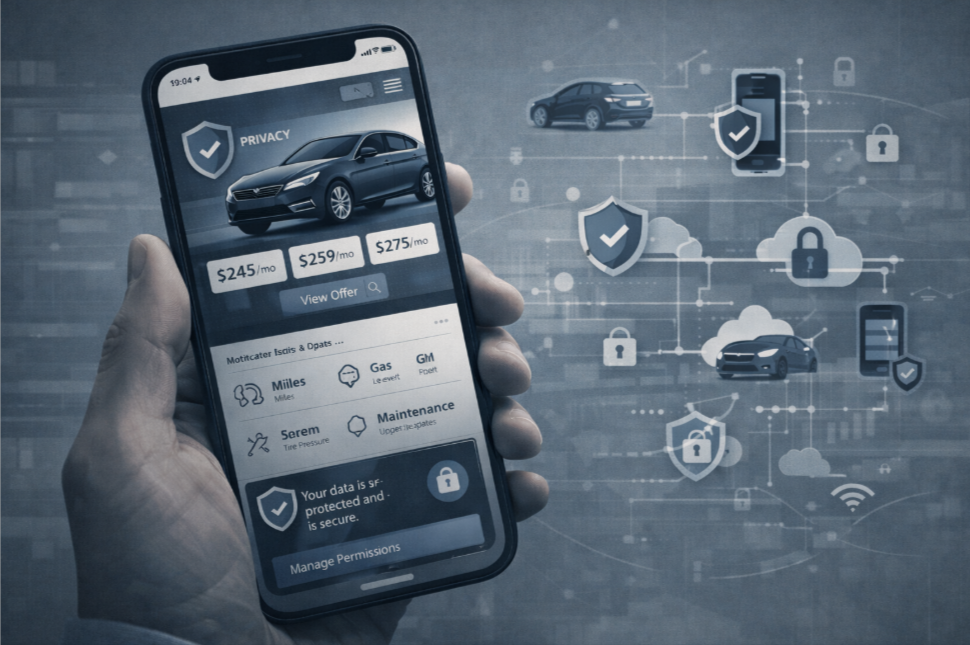
Data privacy within connected-vehicle systems remains a major concern for U.S. respondents—62% worry about synced device information, 58% about in-cabin cameras, and 58% about vehicle location data. Consumers worry about privacy but expect personalization.
Tactic: Be explicit about data collection and how it benefits the customer. Provide transparent opt-out options. Permission-based marketing becomes competitive advantage when consumers are skeptical of data privacy.
12. Re-engage Lost Sales with Automation
35% of ‘Lost Sale’ inquiries reply that they were still in the market for a car. These aren’t lost—they’re delayed.
Tactic: Implement automated lost-sale email sequences triggered 30, 60, and 90 days after a visitor leaves without converting. Automated lost-sale emails achieved 59% open rates and 18% click rates, proving that permission-based follow-up resurrects deals others abandon.
13. Use Marketing Automation to Double Your ROI
Marketing automation users double their likelihood of positive ROI, with automated lead nurturing improving conversion rates by 30% while reducing cost-per-lead by 33%. This is transformational improvement.
Tactic: Map your customer journey and build automated workflows for every stage. Lead nurture sequences for research-phase buyers. Urgency messaging for ready-to-buy prospects. Post-purchase retention sequences for owners. Each sequence should be triggered by customer behavior, not manual effort.
14. Optimize for Mobile-First Experiences
Organic conversion rates in automotive stand at 1.57%, with SEO showing the highest ROI compared to all marketing channels. But conversions only matter if your site works on mobile.
Tactic: Ensure every landing page, checkout flow, and inventory page loads instantly on mobile. Streamline test-drive booking to a single-step process. Make financing calculators mobile-native. You’re already reaching interested prospects—don’t lose them to slow pages.
15. Implement Multi-Channel Campaign Management with Real-Time Performance Tracking
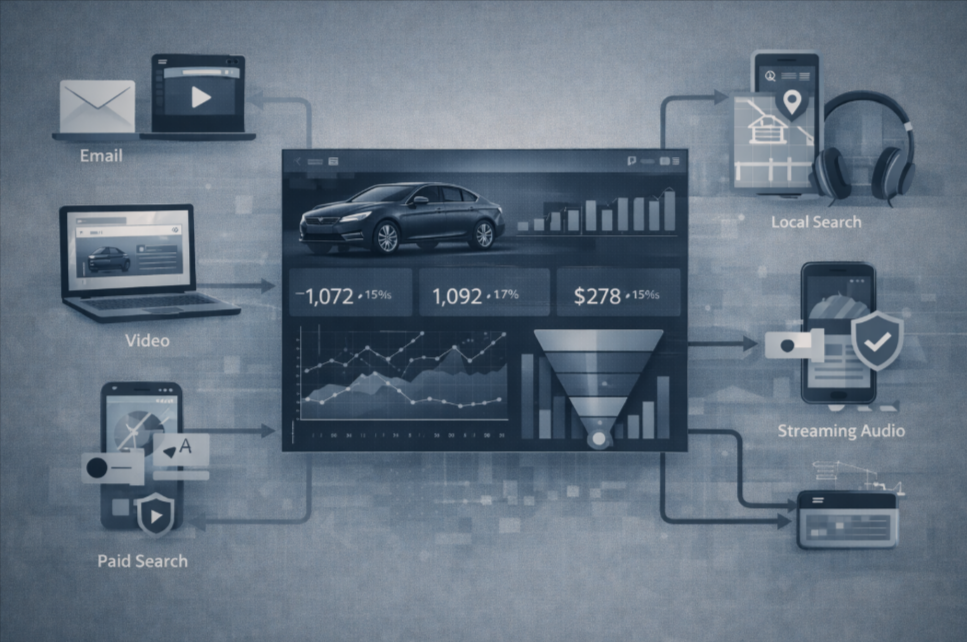
Dealers marketing across email, paid search, social, local search, and video need unified visibility. Fragmented campaigns generate fragmented results.
Tactic: Use a platform that integrates all channels, tracks performance against dealer-specific KPIs (appointments, showroom visits, trade-in inquiries), and allows real-time budget reallocation to top performers. Integrated analytics platforms multiply effectiveness exponentially. This is where data-driven marketing becomes execution.
Turning Insights Into Execution
The 15 ideas above aren’t optional experiments. They’re proven tactics backed by Deloitte’s research of 28,500 global consumers and automotive industry ROI benchmarks. Implementing even five of these strategies systematically will improve your appointment rate, showroom traffic, and bottom line.
Torkvia stands ready to help dealership groups operate smarter, market better, and sell more. We combine strategic insight with execution to make these 15 ideas reality for your dealership. Contact Torkvia today to explore how our AI-powered marketing platform can accelerate your ROI and position your dealership ahead of the competition.
Frequently Asked Questions
Why is email marketing so effective in automotive?
Email delivers $40-44 ROI per dollar spent—the highest-returning channel. Permission-based communication about inventory, financing, and service scales with measurable results.
How should dealers balance local search with broader digital channels?
Local search (GMB, local paid search) drives foot traffic and is cost-efficient. Broader channels (streaming audio, video, content) build awareness. High-performing dealers allocate to both, with local driving 40-50% of digital spend.
What’s the ROI difference between automated and manual email campaigns?
Automated campaigns return $5.47 per recipient versus $0.16 for manual sends—a 34x difference. Automation enables the right message at the right time to the right person.
How do dealers compete when 53% of consumers are willing to switch brands?
Make switching toward you easier. Use transparent pricing, educational content, conquest messaging targeting competitive owners, and personalized offers based on research behavior.
Should dealers invest in EV-specific marketing?
Yes. Top EV concerns are range, charging time, and cost. Address these directly in messaging rather than overselling features.
How quickly will implementing these tactics show results?
Email automation and GMB show 30-60 day results. Video and content marketing typically take 90-180 days. Start now—dealers waiting until next year to implement strategies others are executing now guarantee they’ll be behind.