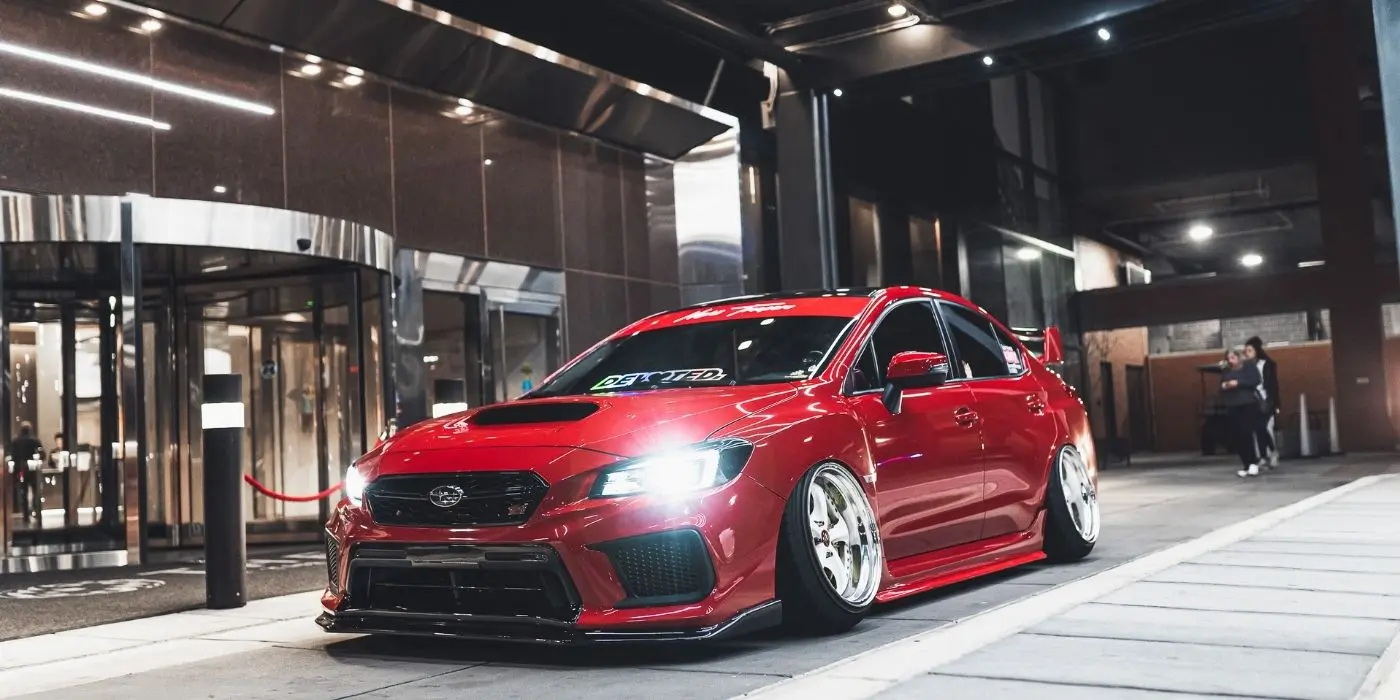
Why are JDM cars so popular right now? The Japanese Domestic Market vehicle phenomenon has evolved from niche enthusiast interest into a mainstream cultural force reshaping how dealerships approach inventory, marketing, and community engagement. Understanding this trend isn’t just about recognizing a hot market segment: it’s about tapping into a passionate buyer base that values authenticity, performance, and heritage in ways that transcend traditional automotive marketing.
JDM refers specifically to vehicles manufactured for sale in Japan’s domestic market, distinct from Japanese-brand cars built for North American consumers. These right-hand-drive imports feature specifications, trim levels, and engineering choices unavailable in U.S.-market equivalents. The distinction matters because JDM enthusiasts prize these unique characteristics as markers of authenticity.
The explosion of JDM culture stems from converging forces: online communities that share knowledge and passion, social media platforms amplifying visual car content, nostalgia for 1990s and early-2000s automotive design, and a broader revival of analog driving experiences as electric vehicles dominate new-car headlines. For dealerships positioning themselves for 2025 and 2026, this trend represents both cultural currency and genuine commercial opportunity.
The Core Appeal: Why JDM Cars Capture Hearts and Wallets
Authenticity & Craftsmanship
JDM models frequently offer engineering specifications and build quality absent from their North American counterparts. Unique engine variants, transmission options, suspension tuning, and interior appointments create vehicles that feel more purposeful and uncompromised by regulatory or market-dilution concerns.
Enthusiasts describe these cars as “pure” expressions of manufacturer intent: vehicles built without the compromises that come from adapting products for different markets. This perception of authenticity drives premium pricing and fierce loyalty among buyers who view JDM specifications as the definitive version of iconic platforms.
Performance & Tuning Culture
The heart of JDM popularity beats strongest in performance and modification potential. Legendary platforms like the Nissan Skyline GT-R, Toyota Supra, Mazda RX-7, Honda NSX, Mitsubishi Lancer Evolution, and Subaru WRX STI represent engineering achievements that defined a generation of sports cars.
Engines like the RB26DETT, 2JZ-GTE, rotary 13B, and K-series became icons in their own right. These powerplants gained reputations for both factory performance and extraordinary modification potential. The extensive aftermarket ecosystem surrounding these platforms means owners can personalize vehicles in ways impossible with modern cars laden with complex electronics and proprietary systems.
Customization serves as an expression of identity for JDM buyers. Suspension setups, turbo configurations, exhaust notes, and aesthetic choices communicate personal taste and technical knowledge to a community that reads these modifications as cultural language.
Nostalgia & Media Influence
Early-2000s pop culture embedded JDM cars into millennial consciousness through franchises like Fast & Furious, anime series like Initial D, and video games like Gran Turismo. These media properties didn’t just feature Japanese sports cars, they romanticized an entire lifestyle around them.
Younger buyers discovering “retro cool” aesthetics find appeal in design elements that defined 1990s Japanese sports cars: pop-up headlights, boxy silhouettes, analog gauges, manual transmissions, and styling that prioritized function over flash. These cars look fundamentally different from today’s vehicles, creating visual distinction that resonates with buyers seeking automotive personalities.
Older millennials who consumed this media during their formative years now possess disposable income to pursue childhood fantasies. The cars they lusted after in magazine spreads and video games have become accessible collector items rather than impossible dreams.
Rarity & Exclusivity
The 25-year import rule creates artificial scarcity that transforms ordinary Japanese-market vehicles into coveted imports. This regulatory barrier means specific model years become available in waves, generating anticipation and collector interest around upcoming eligibility dates.
Limited production runs of special editions, Type R variants, and STI models amplify exclusivity. When only a few thousand examples of a particular trim level exist globally, ownership becomes a badge of dedication and insider knowledge within enthusiast communities.
Affordability Compared to Modern Performance
Despite rising import prices, many JDM classics remain more accessible than new performance vehicles. A well-maintained imported Skyline GT-R or RX-7 costs less than a new Supra or Z, yet delivers comparable driving engagement plus the intangible appeal of heritage and analog character.
These cars also offer DIY friendliness that modern vehicles lack. Simpler electronics, abundant documentation, and strong community support make them workable for enthusiasts who enjoy maintaining and modifying their own vehicles. This hands-on accessibility attracts buyers who view cars as projects rather than appliances.
The Modern JDM Buyer: Demographics and Motivations
JDM enthusiasts span diverse demographics but share common characteristics. Gen Z discovers these cars through social media and gaming culture. Millennials pursue vehicles they idolized in youth. Enthusiasts aged 30 to 50 collect models representing automotive golden ages or personal automotive histories.
JDM buyers choose these cars for personal reasons beyond simple transportation. Some identify as tuners who love customizing vehicles and participating in the modification community. Others buy from nostalgia, seeking cars they dreamed about in their youth or remember from movies and games. A third group values the raw, mechanical driving experience—manual transmissions, direct steering feel, and tactile feedback—that modern automated vehicles no longer provide.
Strong online community engagement defines JDM culture. Forums, Discord servers, Reddit communities, Instagram accounts, and TikTok channels create knowledge networks where enthusiasts share technical information, market intelligence, and cultural validation. Dealerships ignoring these digital gathering spaces miss opportunities to connect with passionate buyers.
What the Trend Means for Dealerships in 2026
High demand for used imports creates inventory opportunities beyond traditional channels. Japanese-brand trade-ins command attention when they’re performance variants or well-maintained examples of desirable models. Sporty trims of mainstream models attract buyer interest when marketed with cultural awareness.
Rising enthusiasm for OEM-approved accessories from Toyota, Honda, Subaru, Nissan, and Mazda reflects buyers wanting factory-quality modifications. Even purchasers of North American-market vehicles increasingly want “JDM style” aesthetic and performance elements that reference import culture without requiring actual imported vehicles.
This cultural crossover means dealerships can capture JDM-adjacent buyers who appreciate the aesthetic and ethos without committing to right-hand-drive imports. Performance packages, visual upgrades, and heritage marketing resonate with this broader audience.
5 Ways Dealers Can Leverage the JDM Trend
1. Expand Used-Import & Japanese Brand Inventory
Curate selections of Japanese performance models, whether imported or North American equivalents with desirable specifications. Highlight vehicle condition, maintenance documentation, ownership history, and modification friendliness. Buyers in this segment scrutinize details that casual shoppers ignore.
Consider partnerships with registered importers who handle compliance and documentation. These relationships provide access to inventory that competitors overlook while ensuring legal compliance with federal and state regulations.
2. Create JDM-Themed Marketing Campaigns
Deploy social-media-native content optimized for platforms where enthusiasts congregate. Short-form video content performs exceptionally well: POV driving clips, engine sound demonstrations, walk-around features, and modification showcases generate engagement that static photography cannot match.
Collaborate with local car clubs, automotive photographers, and micro-influencers embedded in regional enthusiast scenes. Their authentic voices carry more credibility than polished corporate messaging. “JDM Week” sales events featuring curated vehicle lineups, aftermarket vendor participation, and community showcases create experiential marketing that builds lasting relationships.
3. Offer Aftermarket & Accessory Packages
JDM buyers prioritize customization. Dealerships offering wheel and tire packages, exhaust upgrades, aerodynamic components, and tuning partnerships position themselves as comprehensive personalization hubs rather than just transaction points.
Branded merchandise (apparel, accessories, detailing products) extends brand engagement beyond vehicle sales. When done authentically, these offerings strengthen community connection rather than feeling like cynical merchandising.
4. Build Community Through Events & Culture
Host meetups, dyno days, track events, and JDM-themed cruise nights. Community involvement generates loyalty and organic reach that advertising budgets cannot replicate. Attendees become ambassadors, sharing experiences across social networks and within enthusiast circles.
Encourage user-generated content at every event. Photo opportunities, hashtag campaigns, and social media integration turn participants into co-marketers. This grassroots content carries authenticity that professional marketing struggles to achieve.
5. Tell the Story: Leverage Nostalgia & Heritage
Highlight the history behind models like the Supra, Type R variants, WRX STI, and Lancer Evolution. Context transforms vehicles from used inventory into cultural artifacts. Content marketing that explores “why the 1990s JDM era represented the automotive golden age” resonates with enthusiasts and casual fans alike.
Heritage-based narratives convert browsers into buyers by connecting emotional resonance with purchase decisions. When dealerships demonstrate cultural fluency and respect for automotive history, they earn credibility within communities that value knowledge and authenticity above sales pressure.
Marketing Channels That Connect With JDM Audiences
Social Media Dominance
TikTok, YouTube Shorts, and Instagram Reels dominate how enthusiasts discover and share automotive content. Before-and-after build transformations, cold-start compilations, POV driving footage, and drift clips generate millions of views. Dealerships creating this content reach audiences traditional advertising misses entirely.
Influencer Collaborations
Local tuners, mechanics, detailers, and automotive photographers carry authentic voices within regional scenes. Partnerships with these embedded influencers deliver credibility that celebrity endorsements cannot match. Enthusiasts trust recommendations from community members over corporate messaging.
Online Marketplaces & SEO
Specialized listings for JDM models require SEO optimization targeting specific platforms and searches. Landing pages for “WRX STI for sale,” “imported Skyline GT-R,” or “JDM imports [region]” capture high-intent traffic from buyers actively searching for these vehicles. Generic inventory pages miss these qualified leads.
Challenges Dealerships Must Navigate
Rising import costs and limited supply create inventory challenges. Global demand for iconic JDM models pushes prices higher while available examples become scarcer. Dealerships must balance acquisition costs against realistic market pricing.
Compliance and legal importation requirements demand specialized knowledge. Federal regulations, state titling processes, and emissions compliance vary significantly. Mistakes create legal liability and damage reputation within communities that share information rapidly.
Specialized service knowledge becomes necessary when dealing with rotary engines, complex turbo systems, and modified vehicles. Staff training and partnerships with knowledgeable technicians ensure proper maintenance and customer confidence.
Managing expectations with modified or older vehicles requires transparency. Buyers understand these aren’t new cars, but clear communication about condition, maintenance needs, and realistic performance prevents dissatisfaction and negative reviews.
Looking Ahead: The Future of JDM Enthusiasm
Younger buyers increasingly nostalgic for early-2000s and late-1990s automotive design ensure demand continuity. As electric vehicles dominate new-car conversations, interest in analog, driver-focused classics intensifies among enthusiasts seeking mechanical engagement.
The import pipeline continues delivering fresh inventory. Late-1990s and early-2000s halo cars hitting 25-year eligibility create recurring waves of interest. Models like the R34 Skyline GT-R, final-generation RX-7, and various limited editions maintain momentum.
JDM culture merges with digital culture through sim racing, esports, and virtual modification communities. This crossover expands the audience beyond traditional enthusiasts, creating broader cultural relevance and commercial opportunity.
Embracing Authentic Automotive Culture
JDM popularity transcends fleeting trends; it represents cultural movement blending nostalgia, identity, craftsmanship, and performance into compelling automotive experiences. Dealerships embracing this phenomenon attract passionate buyers, build engaged communities, and differentiate themselves in competitive markets.
Success requires authenticity. Speaking enthusiast language, honoring cultural nuances, and meeting buyers where they gather (online forums, social media, and local events) builds credibility that advertising budgets alone cannot purchase. Dealerships demonstrating genuine appreciation for JDM culture position themselves as community partners rather than transactional vendors.
The opportunity exists for dealers willing to invest in cultural fluency and community building. Those who view JDM enthusiasm as genuine movement rather than marketing gimmick will capture loyalty from buyers who value authenticity, knowledge, and shared passion above conventional sales approaches.