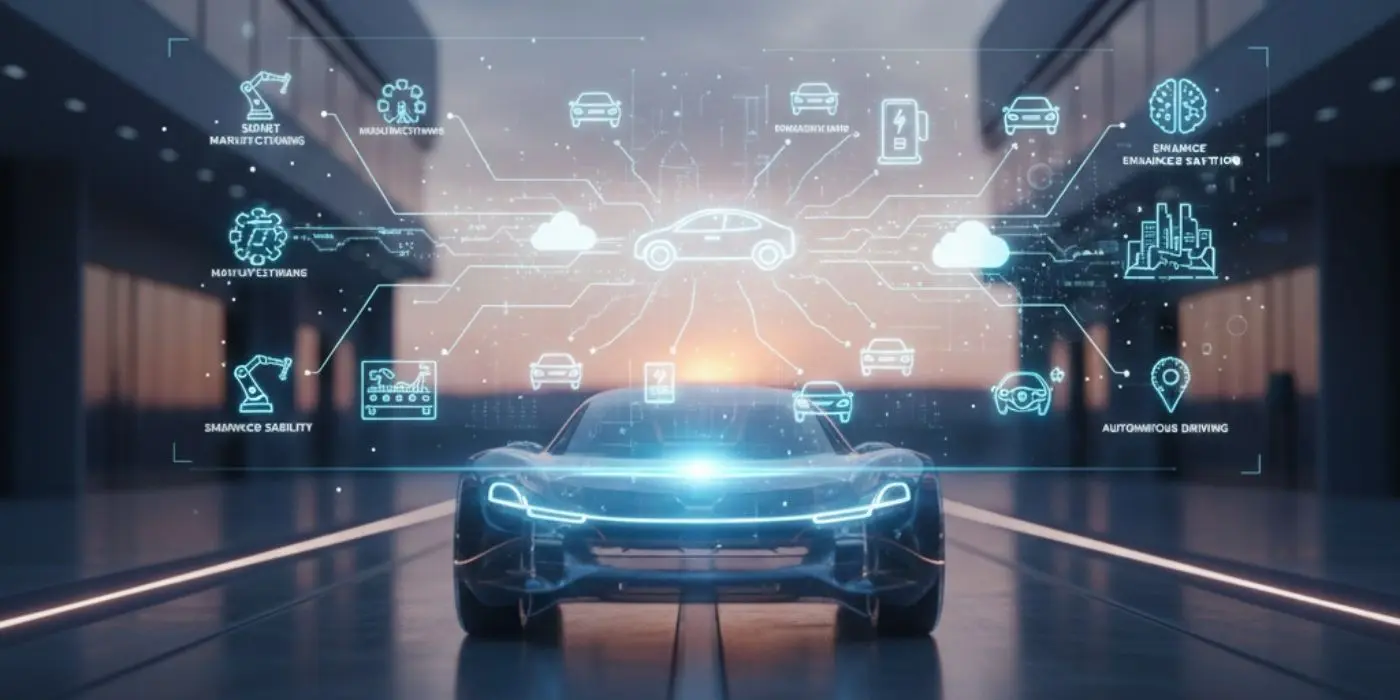
Benefits of AI in the automotive industry are transforming how dealerships connect with customers, optimize operations, and drive revenue. From predictive analytics that anticipate buyer behavior to personalized marketing campaigns that increase conversion rates, artificial intelligence is no longer optional for competitive automotive businesses.
The automotive AI market valued at $4.8 billion in 2024 is projected to reach $134.3 billion by 2033, growing at 37.4% annually. Dealerships adopting AI today gain measurable advantages in customer engagement, operational efficiency, and profitability.
Torkvia’s AI-powered marketing platform combines generative AI with predictive analytics to help dealership groups operate smarter and sell more. We’ve delivered concrete results: 27% more appointments, 26% higher conversion rates, and 24% increases in repurchase rates.
Why AI Matters for Automotive Marketing Right Now
Customer expectations continue rising while attention spans shrink. Buyers research online for weeks before visiting showrooms, expecting personalized experiences at every touchpoint.
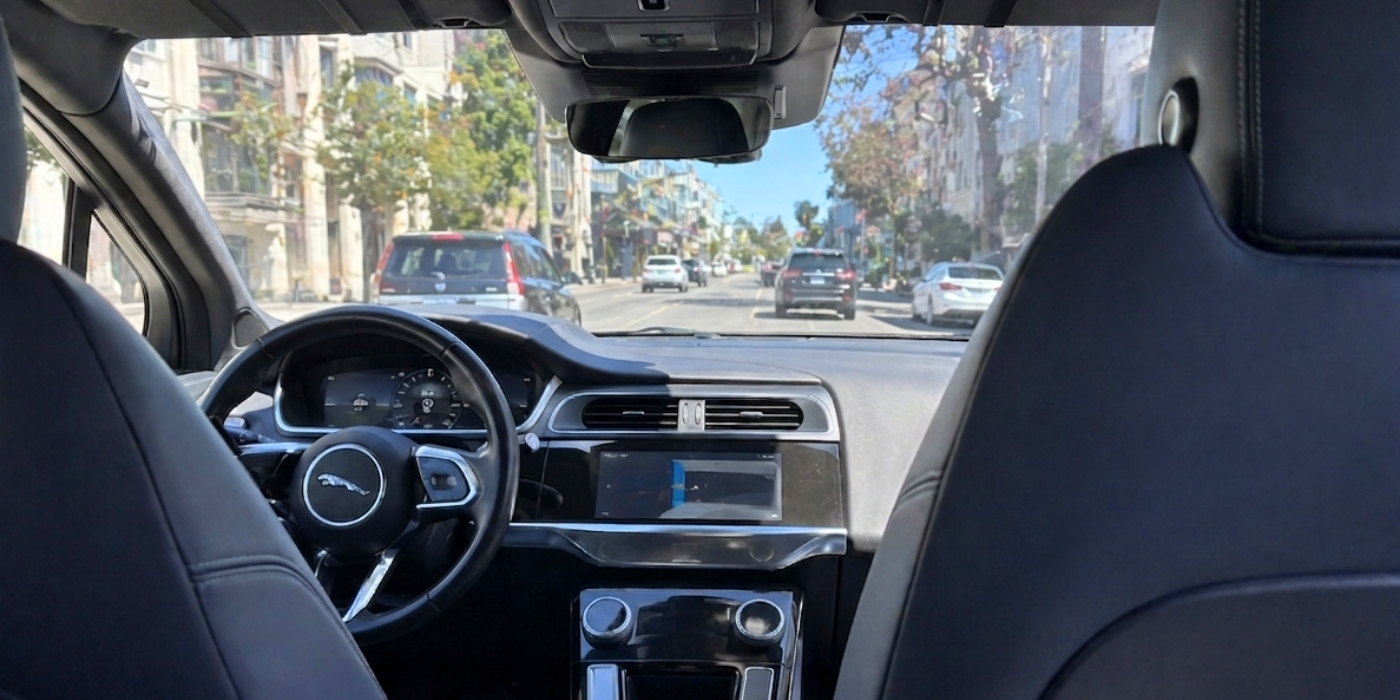
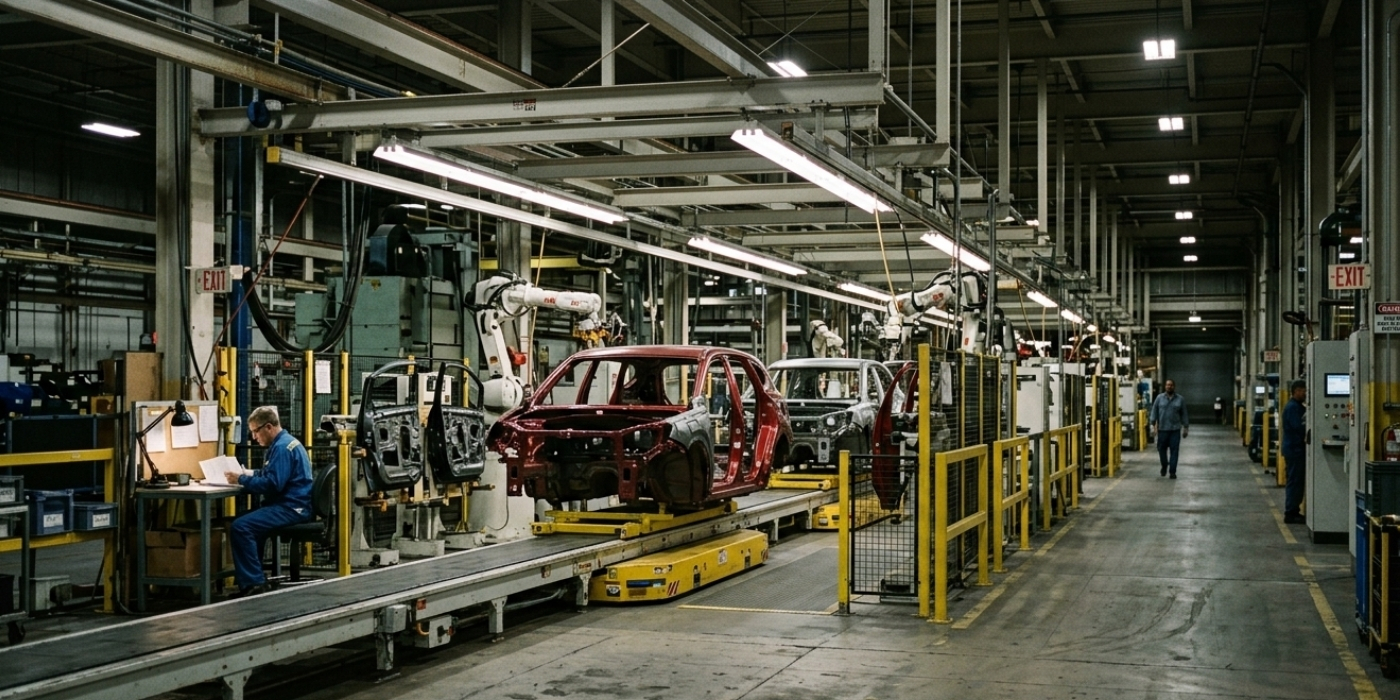
Currently, 25% of all vehicles produced globally integrate AI-driven automation. By 2030, AI deployment in automotive is expected to reach near-universal adoption across the industry.
AI addresses critical dealership pain points: wasted marketing spend on unqualified leads, inconsistent customer follow-up, inventory mismatches, and sales teams overwhelmed by administrative tasks.
Benefit 1: Predictive Lead Scoring and Qualification
AI transforms how dealerships identify and prioritize potential buyers. Traditional lead qualification relies on basic demographics and form submissions. AI analyzes dozens of behavioral signals simultaneously: website browsing patterns, vehicle research history, financing tool usage, and previous interactions.
Dealerships focus energy on high-probability buyers while nurturing lower-intent leads automatically. This increases closing rates while reducing time spent chasing dead ends.
Torkvia’s platform processes this data continuously, automatically adjusting marketing creative based on individual behaviors. Sales teams receive actionable intelligence: which leads need immediate attention, what vehicles prospects are considering, and what messaging resonates.
Marketing Application:
Deploy AI-powered lead scoring across your CRM. Configure workflows that route high-intent leads to experienced sales staff while delegating initial engagement to automated systems.
Integrate predictive analytics with advertising platforms. Let AI identify which customer segments respond best to specific creative, then automatically allocate budget toward highest-performing combinations. This typically improves cost-per-acquisition by 20-40% within three months.
Benefit 2: Hyper-Personalized Customer Communications
Modern buyers expect communications tailored to their specific interests and vehicle preferences. AI enables this personalization at scale by analyzing individual customer data to create dynamic profiles.
When a prospect shows interest in eco-friendly vehicles, AI immediately serves targeted messaging about hybrid models. If another customer researches SUVs with safety features, they receive communications highlighting crash test ratings and driver assistance technologies.
This precision extends across email, website content, social media ads, and chatbot conversations. According to PwC research, AI-driven advertising will account for nearly 50% of all automotive sector advertisements by 2030.
Marketing Application:
Use AI to analyze customer behavior and create micro-segments based on vehicle interest, budget indicators, and purchase timeline. Craft specific email sequences for each segment.
Deploy AI tools that modify homepage content, inventory displays, and promotional messaging based on visitor behavior. Return visitors should see vehicles similar to what they previously viewed.
Benefit 3: Automated Customer Service That Actually Helps
AI-powered chatbots and virtual assistants provide immediate responses 24/7. These systems handle routine questions about vehicle specifications, financing options, service appointments, and inventory status.
Modern conversational AI understands natural language, not just keyword matching. When inquiries require human expertise, AI seamlessly transfers conversations to appropriate staff with full context.
Routine inquiries that previously consumed sales team time get resolved automatically. Staff focus on high-value activities like negotiating deals. Response times drop from hours to seconds. Studies show 73% of consumers are more likely to purchase again from companies offering consistently personalized service.
Marketing Application:
Deploy conversational AI on your website and social media. Configure the system to answer common questions about pricing, trade-ins, financing, and features.
Use chatbot interactions as lead generation. Program your AI to collect contact information naturally, qualify purchase intent, and schedule test drives.
Benefit 4: Optimized Inventory Management and Demand Forecasting
AI analyzes historical sales data, market trends, seasonal fluctuations, and customer preferences to predict demand for specific vehicles. This helps dealerships maintain optimal inventory levels, reducing carrying costs while ensuring popular models remain available.
The technology identifies patterns human analysts miss. It recognizes that certain colors sell faster in specific demographics, particular trim packages appeal to local buyers, and demand shifts based on fuel prices and economic indicators.
Marketing Application:
Connect AI demand forecasting directly to advertising campaigns. When the system predicts increased interest in specific vehicle segments, automatically boost ad spend for those models.
If AI identifies surplus inventory, develop targeted email campaigns, social media promotions, and special financing offers to accelerate movement.
Benefit 5: Enhanced Advertising ROI Through Intelligent Budget Allocation
AI analyzes real-time campaign performance across multiple platforms and automatically reallocates spend toward highest-performing channels and creative variations.
The system monitors cost-per-click, conversion rates, engagement metrics, and sales attribution continuously. When particular ad creative drives strong test drive bookings while another underperforms, AI shifts budget accordingly.
Dealerships implementing AI-powered budget optimization typically see 30-50% improvement in advertising ROI within six months.
Marketing Application:
Implement AI-powered campaign management across advertising platforms. Start with one channel, then expand. Monitor performance weekly, noting how AI decisions compare to previous manual strategies.
Set clear performance goals: cost-per-lead targets, conversion rate minimums, return-on-ad-spend thresholds. Let the technology optimize toward these objectives.
Benefit 6: Predictive Maintenance Marketing That Builds Customer Lifetime Value
Predictive maintenance systems analyze vehicle data including mileage, driving patterns, service history, and diagnostics to anticipate when maintenance or repairs will be needed.
This enables proactive outreach. Dealerships contact customers before problems occur, scheduling preventive service that avoids expensive breakdowns. Service departments benefit from predictable appointment scheduling.
Predictive analytics also identify when customers might consider trading vehicles based on mileage, age, repair frequency, and market conditions. Dealerships can time targeted upgrade offers when customers are most receptive.
Marketing Application:
Develop automated service marketing sequences triggered by predictive maintenance insights. When AI identifies a customer approaching major service intervals, send personalized reminders with appointment booking options.
Create upgrade campaigns targeting customers whose vehicle data suggests readiness for replacement. Reference their current vehicle’s mileage in messaging, highlight newer models with improved features, and offer attractive trade-in valuations.
Benefit 7: Data-Driven Market Insights and Competitive Intelligence
AI processes vast quantities of market data to identify trends and competitive dynamics. The technology monitors competitor pricing, inventory levels, promotional strategies, and customer sentiment across digital channels.
These insights inform decisions about pricing strategy, promotional timing, inventory acquisition, and marketing messaging. Dealerships spot emerging opportunities early and respond to competitive threats proactively.
AI also identifies broader market trends: shifting consumer preferences, emerging vehicle features gaining traction, and demographic segments showing increased purchase intent.
Marketing Application:
Use AI market analysis to guide content strategy. When the system identifies increased consumer interest in specific features like advanced safety technology, create blog posts, videos, and social media content highlighting these capabilities.
Monitor competitive intelligence dashboards regularly. When AI detects competitors launching aggressive promotions, respond strategically with targeted offers while ensuring you remain competitive on vehicles where price sensitivity is highest.
Why Choose Torkvia for AI-Powered Automotive Marketing
Torkvia specializes in helping dealership groups harness AI technology for marketing and operational excellence. Our platform combines proprietary AI algorithms with automotive industry expertise to deliver solutions tailored specifically for dealerships.
We’ve helped dozens of dealership groups achieve measurable results: 27% more appointments, 26% higher conversion rates, and 24% increases in customer repurchase rates.
Our approach integrates seamlessly with existing systems, layering intelligent automation on top of your current infrastructure without creating operational chaos.
The Competitive Advantage Starts Now
Benefits of AI in the automotive industry extend far beyond technological innovation. Smart dealerships recognize AI as fundamental infrastructure for modern retail operations.
Customer expectations continue rising. Competition intensifies. Profit margins face pressure. AI provides the tools needed to meet these challenges while maintaining operational efficiency.
Torkvia stands ready to guide your AI marketing journey. From consultation through implementation and optimization, we bring technology expertise and automotive industry knowledge.
Ready to transform your dealership marketing with AI? Contact Torkvia today to explore how our AI-powered platform can drive more appointments, higher conversion rates, and increased customer lifetime value for your dealership group.
Frequently Asked Questions
How much does AI marketing technology cost for automotive dealerships?
AI marketing costs vary based on implementation scope and dealership size. Entry-level solutions start around $2,000-5,000 monthly while comprehensive platforms run $10,000-25,000 monthly for multi-location groups. Most dealerships see positive ROI within 3-6 months through improved lead conversion and advertising efficiency.
Can AI replace my sales and marketing team?
No. AI enhances human capabilities rather than replacing them. The technology handles repetitive tasks like lead qualification and data analysis, freeing your team to focus on relationship building and negotiation. Dealerships using AI see increased sales team productivity.
How long does it take to implement AI marketing solutions?
Basic chatbot deployment and lead scoring can launch within 2-4 weeks. Comprehensive AI marketing platforms with full CRM integration typically require 8-12 weeks. Torkvia’s implementation team minimizes disruption to ongoing operations.
What data does AI need to work effectively for automotive marketing?
AI marketing systems require customer demographic information, vehicle browsing history, website interaction data, purchase and service records, email engagement metrics, and advertising response data. Most dealerships already collect this information. The key is integrating these data sources.
How do I measure ROI from AI marketing investments?
Track metrics before and after AI implementation: cost per lead, lead-to-sale conversion rate, customer acquisition cost, average deal size, customer lifetime value, and marketing spend as percentage of revenue. Compare these benchmarks quarterly.
Is customer data secure with AI marketing platforms?
Reputable AI marketing platforms including Torkvia implement enterprise-grade security including data encryption, secure cloud infrastructure, regular security audits, and compliance with automotive industry data standards. We maintain strict data privacy policies.