
Gen Z car buying trends are reshaping the automotive industry in ways no previous generation has. As the oldest members of Generation Z enter their mid-to-late twenties in 2026, they’re bringing purchasing power, digital fluency, and fundamentally different expectations to the purchase process.
Understanding these shifts isn’t optional for automakers and dealers, it’s essential for survival in a market where traditional strategies no longer apply.
Why 2026 marks a turning point comes down to economics and demographics. Gen Z buyers are reaching peak first-car-purchase age, many are establishing careers with steady income, and they represent a growing share of total automotive sales. But their behaviors differ sharply from Millennials and Gen X.
They’re more digital, more skeptical of traditional marketing, more value-driven, and more polarized in their identities than any generation before them.
Redefining Car Ownership
From “Status Symbol” to “Mobility Tool”
Gen Z views cars fundamentally differently than previous generations. Where Boomers and Gen X saw vehicles as status symbols and Millennials balanced practicality with aspiration, Gen Z treats cars primarily as functional mobility tools. Research from Collage Group found that the majority of Gen Z buyers see cars simply as a way to get from point A to point B, not as extensions of their identity or markers of success.
This shift has profound implications. Practical utility now outweighs brand prestige for most Gen Z buyers. They’re more likely to choose a reliable used Honda over a flashy new luxury brand. The emotional attachment that drove generations of automotive marketing has weakened considerably, replaced by cold calculation of value, reliability, and total cost.
The Rise of Flexible Ownership
Traditional ownership models are losing appeal among Gen Z buyers. Subscriptions, the used-car market, short-term leasing, and flexible access arrangements are all gaining traction. This generation shows stronger interest in smaller vehicles and affordable trims than the SUV-obsessed market of the past decade.
High interest rates experienced in the late 2020s have accelerated this shift.
When financing costs eat into budgets, Gen Z responds by downsizing, delaying purchases, or exploring alternatives to traditional ownership. Dealers and manufacturers clinging to high-margin luxury models risk missing this massive demographic shift entirely.
The Digital & AI-Driven Car-Buying Journey
Research Behavior
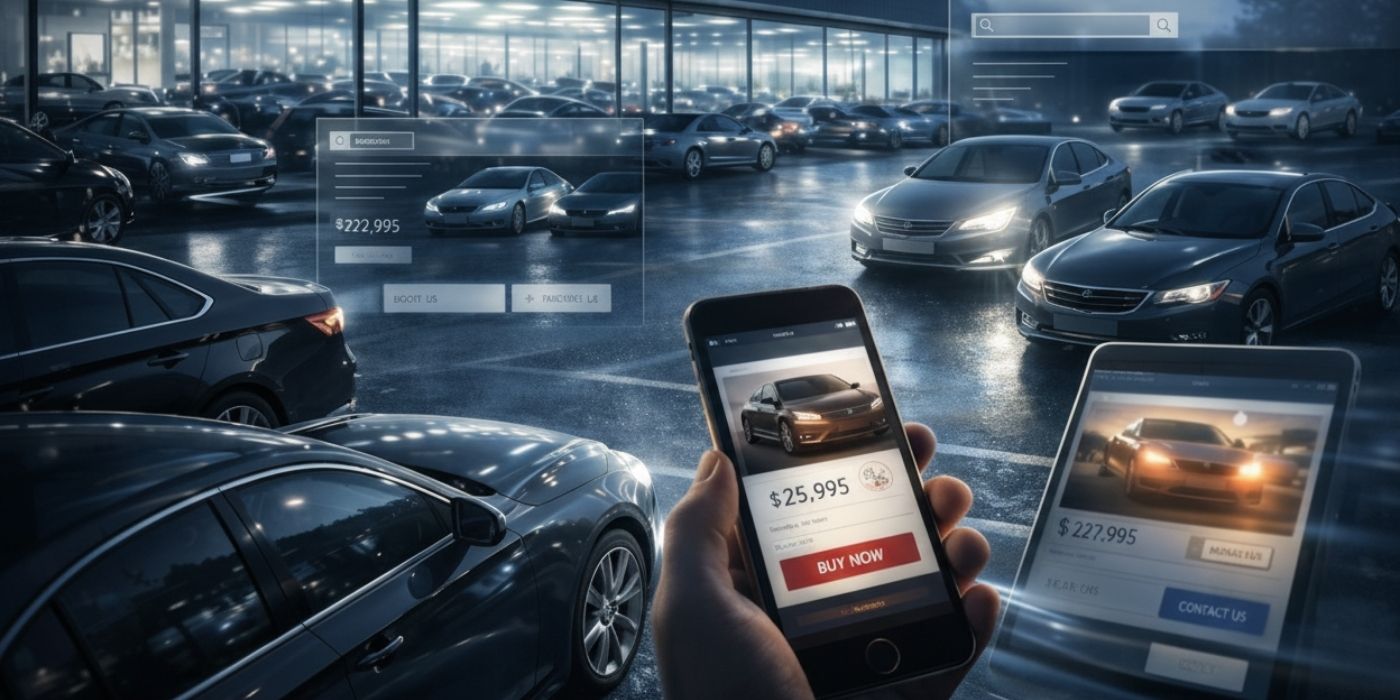
Gen Z starts their car-buying journey online, predominantly on mobile devices. They rely heavily on reviews, influencer recommendations, and comparison tools before ever visiting a dealership. Virtual showrooms, online configurators, and integrated FinTech solutions aren’t luxuries for this generation, they’re baseline expectations.
Traditional dealership models that depend on in-person visits and relationship selling face serious challenges. Gen Z buyers want to complete as much of the process digitally as possible, only visiting physical locations for test drives and final transactions. Dealers without robust digital infrastructure will struggle to capture this market.
AI as a Buying Companion
Perhaps most striking is Gen Z’s high trust in AI recommendations throughout the purchase journey. Unlike older generations who view AI with skepticism, Gen Z expects personalized, data-driven guidance when shopping for vehicles. They want AI tools that understand their budget, lifestyle, and preferences, then surface relevant options without pressure or manipulation.
This creates both opportunity and challenge for dealers and OEMs. They must blend AI efficiency with human reassurance, using technology to streamline the process while maintaining trust through authentic human touchpoints when needed. The brands that master this balance will capture disproportionate market share.
Affordability as the Central Driver
Economic Pressure
Gen Z has experienced record-high interest rates during their formative earning years. Insurance costs, maintenance expenses, and fuel prices all factor heavily into their decision-making process. This generation has less disposable income than Millennials did at the same age, creating intense pressure on automotive budgets.
Many Gen Z buyers are delaying purchases, opting for used vehicles, or choosing less expensive models than they might prefer. Marketing that ignores these economic realities (emphasizing luxury, performance, or status) falls flat with this pragmatic generation.
Total Cost of Ownership Matters More Than MSRP
Gen Z thinks in terms of total cost of ownership (TCO), not just sticker price. They compare maintenance costs, depreciation curves, insurance rates, and even subscription add-ons before making decisions. A vehicle with a higher MSEP but lower TCO often wins over a cheaper option with expensive long-term ownership costs.
This analytical approach requires transparency from manufacturers and dealers. Gen Z buyers research extensively, use online calculators, and consult forums to understand true ownership costs. Brands that provide clear, honest TCO information build trust; those that hide costs or surprise buyers later lose credibility permanently.
The Political Angle: Gen Z as the Most Polarized Generation
Two Generations in One
Gen Z exhibits significant political polarization, particularly along gender lines, creating unique challenges for marketers. Their perceptions of government policy, climate regulation, and EV mandates vary dramatically depending on their political orientation and demographic factors.
What appeals to progressive Gen Z buyers (sustainability messaging, environmental benefits, social responsibility) can actively alienate conservative Gen Z buyers who prioritize independence, practicality, and skepticism of mandates. Previous generations showed more consensus on automotive values; Gen Z does not.
Impacts on Automotive Marketing
Sustainability appeals work powerfully for one segment of Gen Z but backfire spectacularly with another if handled poorly. The solution isn’t abandoning environmental messaging, it’s framing it correctly. Best practice involves neutrality, transparency, and emphasis on practical benefits rather than political or moral imperatives.
Align messaging with concrete value propositions: lower operating costs, better technology, practical convenience. Avoid framing that sounds preachy, politically charged, or mandate-driven. Let buyers arrive at their own conclusions about values alignment rather than forcing ideological positions.
Trust & Skepticism
Institutional distrust spans the political spectrum among Gen Z. Progressive and conservative members both doubt traditional authority, though for different reasons. What unites them is desire for authenticity, consistency, and brand honesty.
This generation can detect inauthenticity instantly and punishes it through social media and word-of-mouth. Brands must demonstrate genuine commitment to stated values through consistent behavior, not just marketing claims. Empty promises or hypocritical actions spread rapidly through Gen Z networks, causing lasting reputation damage.
Cars as Identity Signals for Gen Z
Vehicles as Cultural Statements
Despite viewing cars as primarily functional, Gen Z still uses vehicle choice to express identity, just in different ways than previous generations. Rather than broad status signaling, they engage in precise lifestyle signaling through vehicle selection.
Key Identity Personas
Tech-Forward Driver: This segment gravitates toward EVs, futuristic design, connectivity features, and over-the-air updates. They want vehicles that feel like smartphone extensions, with seamless integration into their digital ecosystems. Tesla captured this market early, but traditional manufacturers can compete by emphasizing software capabilities and tech-forward features.
Eco-Minimalist: These buyers prefer hybrid or EV options, but for practical rather than political reasons. They focus on maintenance savings, fuel efficiency, and long-term cost benefits. Marketing to this segment emphasizes economics and convenience, not environmental virtue signaling.
Rugged Individualist: Interest in compact trucks, off-road packages, and outdoor lifestyle vehicles defines this persona. They signal independence and capability through vehicle choice. Brands like Toyota (Tacoma), Ford (Maverick), and Jeep resonate strongly with this segment.
Urban Pragmatist: This largest segment prefers used cars, small crossovers, or simple sedans. They value reliability and affordability above all else. Honda Civic, Toyota Corolla, and similar models dominate their consideration sets. Marketing to this group emphasizes value, dependability, and low cost of ownership.
Marketing Implications
The same model can be positioned differently for each persona through targeted digital marketing. Personalization, customization options, and digital identity expression matter as much as physical vehicle design. Successful brands avoid rigid demographic stereotypes, instead using lifestyle-centric segmentation to reach specific identity clusters.
Connected, Customizable, and Subscription-Driven Vehicles
Cars as Platforms, Not Products
Gen Z views vehicles as platforms for ongoing enhancement rather than fixed products. Digital upgrades, software subscriptions, and advanced driver assistance systems (ADAS) as optional paid services all align with their expectations. They’re comfortable with subscription models if the value proposition is clear and fair.
Personalization Expectations
UI/UX customization, visual themes, driver profiles, and app integrations are baseline expectations. Gen Z wants the ability to “shape” their vehicle to match their individual identity. Manufacturers offering deep personalization options gain competitive advantage, while those with rigid, one-size-fits-all approaches lose relevance.
Sustainability Framed Through Practical Benefits
Gen Z Cares, But Prioritizes Utility
Gen Z cares about sustainability, but it ranks below practical considerations for most buyers. Range anxiety and charging infrastructure concerns remain real barriers to EV adoption. Environmental benefits alone don’t close sales; practical benefits do.
Resonant Messaging
Emphasize long-term savings, technological advantages, and convenience rather than climate impact. Frame sustainability as an added value that reinforces the core value proposition, not as the primary motivator. Avoid over-politicized climate framing that alienates conservative segments of this polarized generation.
Used-Car Market and Service Channels as Entry Points
First Touchpoints
Gen Z often enters the automotive market through used vehicles or service departments rather than new car showrooms. These first touchpoints offer crucial opportunities to build brand loyalty before buyers have the budget for new vehicles.
Loyalty Strategies
Service plans, app-based rewards programs, and maintenance subscriptions create ongoing relationships. Trade-in pathways that help buyers transition from used to new vehicles later in their earning curve build lifetime value. Brands that capture Gen Z early through service excellence and fair dealing create customers for life.
Marketing & Channel Strategies for 2026
Digital-First, Omni-Channel Approach
TikTok, YouTube, connected TV, and influencer partnerships are essential channels for reaching Gen Z. But the key is seamless transition from digital research to test drive to purchase. Friction at any point loses the sale.
Transparent Value Communication
Clear pricing, comprehensive TCO breakdowns, and flexible payment options differentiate winners from losers. Upfront honesty about all costs (including fees, insurance estimates, and maintenance) builds trust with this skeptical generation.
Customer Experience as Differentiator
Instant response times, personalized journeys, and AI/human hybrid support are expected, not exceptional. Home delivery, pickup services, and fully digital contracting are baseline expectations for Gen Z buyers. Dealers treating these as premium add-ons will lose market share to competitors who build them into standard processes.
What Automakers and Dealers Must Do Next
The automotive industry must fundamentally adapt to Gen Z preferences or risk losing a generation of buyers. Rebalance inventory toward affordable and compact segments instead of chasing high-margin luxury models this generation can’t afford or doesn’t want.
Invest in AI retailing infrastructure that meets Gen Z expectations for personalized, efficient digital experiences. Design vehicles with modular technology and subscription potential that allows ongoing revenue beyond initial sale.
Build trust through genuine, consistent brand behavior rather than marketing slogans. Drop demographic stereotyping in favor of identity-based micro-segmentation that recognizes the diversity within this generation.
The Road Ahead for Automotive Brands
These emerging purchasing patterns reveal a generation that’s digital-first, price-conscious, politically split, and identity-driven in unexpected ways. They’re not a monolith: they’re a collection of distinct personas with different priorities, values, and purchase drivers. Success will belong to brands that embrace this nuance, reject one-size-fits-all messaging, and meet Gen Z where they are: online, value-focused, and identity-expressive. The automotive brands that adapt will thrive; those that don’t will watch market share evaporate as this generation takes over the buyer’s seat.