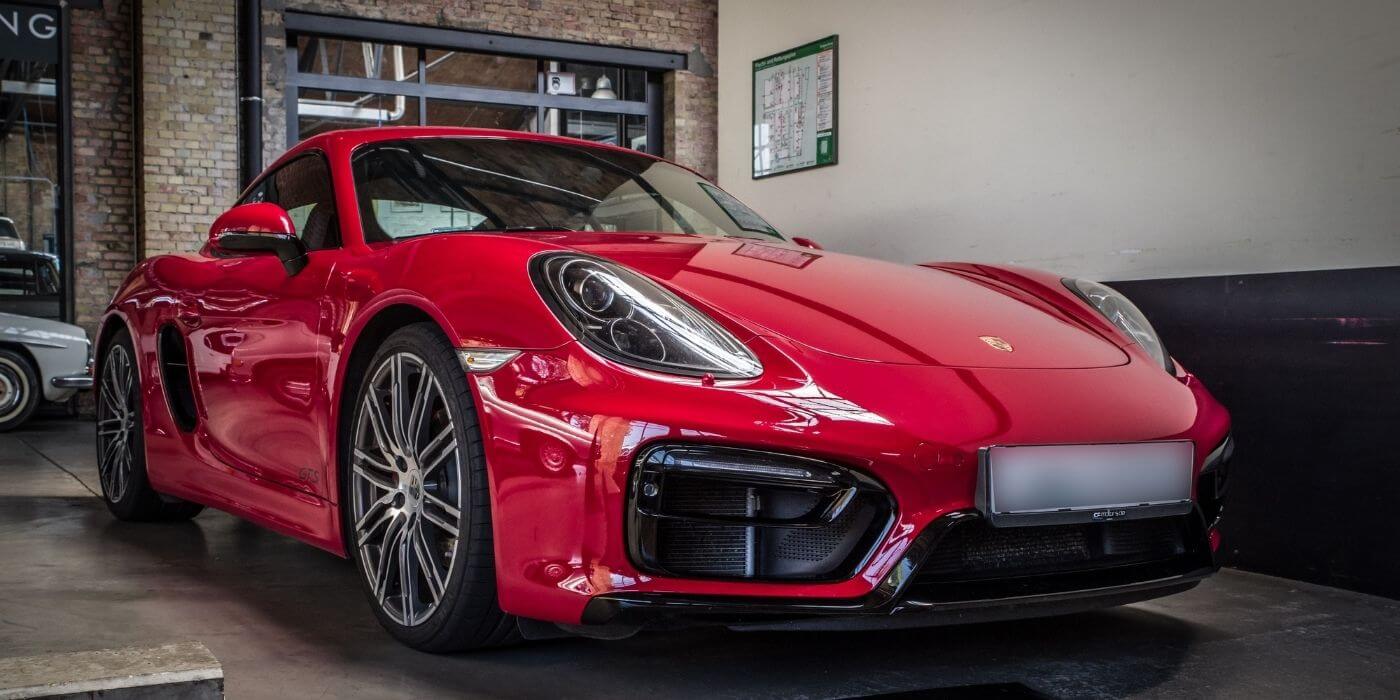
Porsche built its empire on the roar of internal combustion engines and the promise of performance that only precision engineering could deliver. Today, that legacy is becoming a liability. The luxury EV market is surging—global EV adoption is reshaping automotive retail—but Porsche’s EV strategy is stumbling when it should be sprinting.
Torkvia helps dealership groups navigate the luxury EV transition by understanding market shifts, customer behavior, and competitive positioning. Here’s why Porsche is struggling with EVs, what it means for dealerships, and how forward-thinking groups are capitalizing on the opportunity.
The Luxury EV Market is Booming—Except for Porsche
The luxury EV segment is experiencing explosive growth. The luxury EV market is projected to expand significantly through 2030, with premium electric vehicles commanding higher margins and attracting affluent buyers who prioritize innovation and sustainability. Future Market Insights forecasts continued growth across luxury EV segments, driven by technological improvements and consumer acceptance of premium-priced electric powertrains.
Yet Porsche’s luxury EV sales have underperformed relative to Tesla, BMW, and Mercedes-Benz. The Taycan, Porsche’s flagship EV, launched to significant hype but hasn’t captured the market share expected from a brand with Porsche’s heritage and technical expertise. Something isn’t clicking between Porsche’s EV strategy and what luxury customers actually want.
The China Problem: Where Porsche Is Losing Ground Fastest
China represents the largest and most competitive EV market globally. The Chinese EV market continues to expand rapidly with homegrown competitors dominating share, and local government policy actively supports domestic EV manufacturers. BYD, NIO, and other Chinese brands have captured enormous market share through aggressive pricing, superior range offerings, and technology integration that appeals directly to Chinese consumers.
Porsche’s premium positioning is losing traction in China’s hypercompetitive EV market. Domestic brands now match or exceed the technology at lower prices, making Western luxury feel dated. Dealers report a clear perception shift: Porsche is no longer seen as the powertrain innovation leader, but as a brand playing catch-up.
The Rational EV Buyer: Heritage Doesn’t Drive Decisions
Research fundamentally changes how we understand luxury EV customers versus traditional luxury buyers. Studies on EV pricing and market preferences reveal that luxury EV customers weigh total cost of ownership, charging convenience, and technological features more heavily than traditional luxury aesthetics or brand prestige. They’re analyzing spreadsheets, not emotions, when comparing powertrains.
Range anxiety remains a significant barrier even for affluent EV prospects, because anxiety isn’t about budget—it’s about real-world practicality and confidence in long-distance capability. This shifts dealership conversations fundamentally. Porsche’s marketing emphasizes heritage and driving engagement—values that resonate with combustion-era luxury buyers but don’t address the core concerns of EV customers evaluating whether electric powertrains suit their actual lifestyle.
Infrastructure Economics: Why Porsche’s Ecosystem Fails
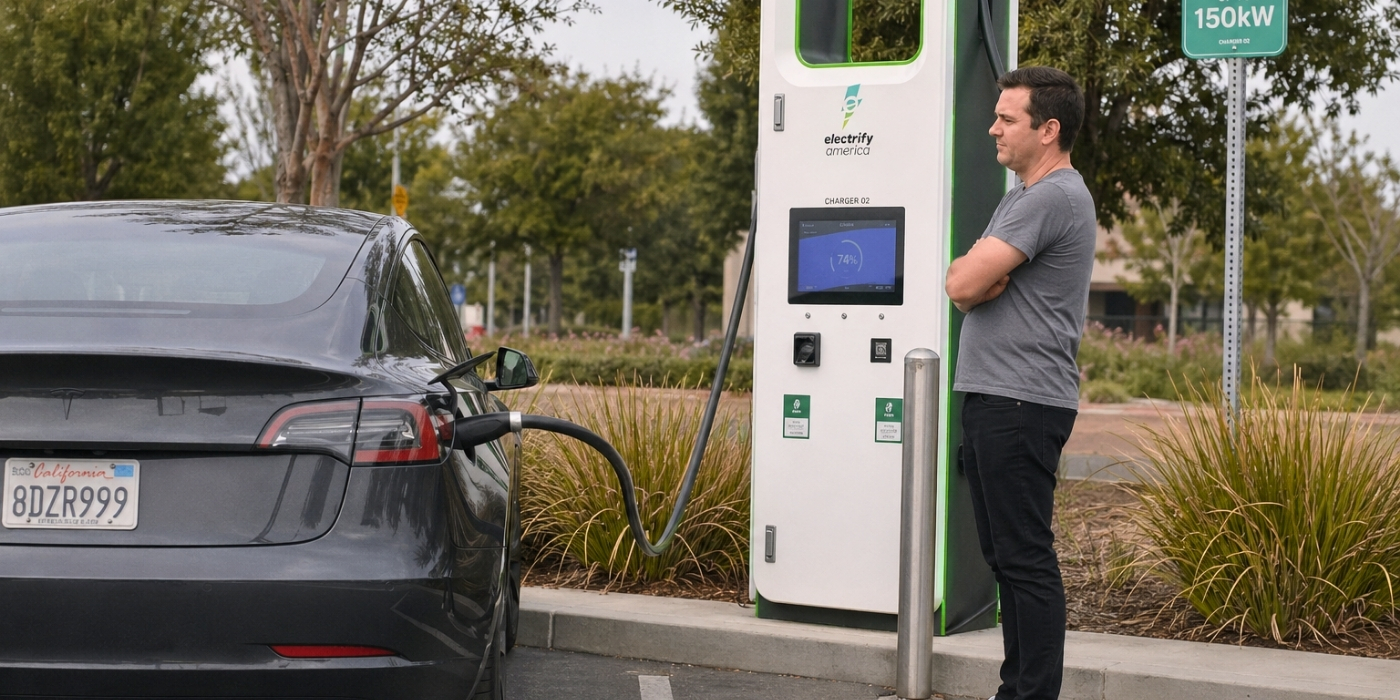
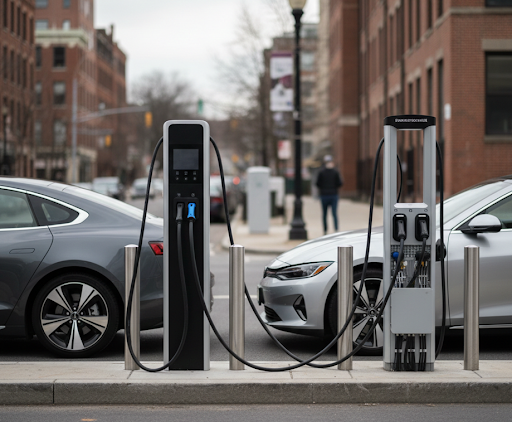
Porsche doesn’t own charging networks like Tesla does, and that structural disadvantage compounds across customer segments. Research on city-scale EV charging infrastructure planning demonstrates that EV adoption rates correlate directly with charging network density, reliability, and integration with vehicle software. Customers don’t just need charging—they need convenient, predictable, integrated charging that works seamlessly across their driving patterns.
Dealerships can’t bridge this gap alone. When customers compare a Taycan to the Tesla Model S, they’re comparing ecosystems—not just cars. Tesla owners access 50,000+ Superchargers integrated into navigation and charging, while Porsche customers rely on fragmented third-party networks with inconsistent software and payments. This isn’t a product flaw—it’s a strategic positioning failure.
The Taycan Paradox: Performance Without Purpose
The Taycan reflects a misunderstanding of today’s EV buyer. Porsche delivered sub-4-second acceleration and track-ready handling, then priced the car above $80,000—without the range or charging speed that justify that premium in a practical EV market. It’s an enthusiast performance car aimed at a segment increasingly driven by everyday usability.
Expectations at the Premium Price Point
At Taycan prices, EV buyers expect 350+ miles of range, ~15-minute fast charging, and technology that clearly outpaces $60K–$70K alternatives. Traditional Porsche customers value emotion and combustion-era performance; luxury EV buyers prioritize convenience, charging speed, and real-world range.
Dealership Reality
The Taycan won early adopters drawn to the Porsche badge, but it struggled to convert the broader luxury EV audience. Dealers report a common frustration: customers want Porsche’s engineering quality—without sacrificing practicality that now defines premium EV value.
Market Data Reveals the Competitive Reshuffling
City-level EV registration data from major markets shows dramatic shifts in luxury EV market composition. Tesla, BMW, and Mercedes models dominate registrations in markets where Porsche expected strong performance based on brand heritage alone. This isn’t random variation—it reflects systematic customer preference shifts toward brands offering comprehensive EV ecosystems rather than heritage-leveraging approaches.
Dealerships monitoring registration trends see clear patterns. Porsche’s market share declines in markets with robust third-party charging infrastructure but strong in isolated markets where brand prestige matters more than practical integration. This teaches a critical lesson—Porsche’s struggles aren’t inevitable luxury brand problems; they reflect specific strategic choices that created competitive vulnerability.
Three Fundamental Mistakes in Porsche’s EV Strategy
First, Porsche assumed brand loyalty would carry over to EVs without repositioning—an assumption that proved wrong. Second, it treated EVs as just another product line instead of a market shift demanding new value propositions. Third, it underinvested in charging infrastructure and software ecosystems, leaving Taycan ownership less practical than competitors.
Together, these missteps compound. Range limits and fragmented charging erode confidence, negative owner feedback spreads, and dealerships are left battling perception gaps that traditional sales tactics can’t easily overcome.
Five Strategic Moves Dealerships Should Make Now
The luxury EV transition is accelerating faster than traditional luxury competitors anticipated. Dealerships positioned to capture Porsche’s struggling customers will dominate the next five years. Here’s what matters most.
1. Develop Competitive Positioning Against Heritage-Focused Brands
Create messaging that acknowledges luxury buyer values but positions practical EV experience as the new luxury standard. Affluent customers don’t want to compromise on practicality anymore—they want solutions that deliver both status and seamless ownership experience.
2. Build Charging Network Partnerships Into Inventory Strategy
Offer customers transparent charging solutions, partnerships, and integration with your brand’s vehicle software. Position this as competitive advantage against brands still treating charging as third-party friction rather than integrated customer experience.
3. Emphasize Real-World Ownership Data Over Performance Metrics
Publish customer testimonials, real-world range data in various conditions, charging time comparisons, and total cost of ownership analyses. Luxury EV customers trust concrete ownership data more than performance specifications or brand prestige claims.
4. Create Lifestyle Positioning That Addresses Practical Concerns
Market your luxury EV lineup around practical luxury—vehicles that deliver status without compromising on range, charging convenience, or long-distance capability. Position against competitors who force customers to choose between heritage and practicality.
5. Target Dissatisfied Porsche Prospects Directly in Marketing
Identify online communities where Porsche Taycan prospects express frustration about range, charging infrastructure, or pricing. Create targeted campaigns positioning your competing brand’s advantages in ecosystem integration and real-world ownership experience.
Torkvia’s Role in Capturing Luxury EV Transition Demand
Luxury EV buyers make data-driven decisions based on deep research and real owner feedback. Dealerships that offer transparency, practical ownership solutions, and integrated tech win this segment. Torkvia’s AI platform identifies in-market luxury EV prospects, segments them by priorities, and delivers messaging that addresses real ownership concerns.
With real-time tracking, dealers see which features drive appointments and conversions. Torkvia’s predictive analytics help intercept buyers at key moments—driving more appointments, higher conversion rates, and increased repeat purchases—turning data-driven targeting into a true competitive advantage.
Ready to capitalize on Porsche’s EV struggles? Contact Torkvia today to learn how predictive marketing converts luxury EV prospects into premium customer relationships.
Where Porsche Went Wrong Is Where You Go Right
Porsche’s EV struggles reveal critical insights about how luxury car markets are actually shifting. Customers aren’t abandoning luxury values; they’re redefining what luxury means in an electric era. Heritage and performance matter less than practical integration, reliable infrastructure, and transparent real-world ownership experience. Dealerships recognizing this shift and positioning themselves accordingly will capture market share from traditional luxury competitors still leveraging combustion-era brand positioning.
The luxury EV market opportunity is genuine and substantial. Dealerships that invest in practical ecosystem positioning, transparent customer communication, and data-driven marketing will capture enormous share from competitors like Porsche still operating under legacy assumptions about how luxury customers make purchasing decisions.
FAQs
Why can’t Porsche’s engineering advantage overcome its EV market struggles?
Technical engineering isn’t the primary decision driver for luxury EV customers. Range, charging infrastructure integration, total cost of ownership, and practical ownership experience matter more than performance heritage or engineering specifications alone.
Is the Taycan fundamentally flawed as a vehicle?
No, but it’s positioned as a performance machine when luxury EV customers prioritize practical ownership experience. Porsche’s product strategy emphasizes combustion-era values that don’t resonate with rational EV buyer decision-making patterns.
How does charging ecosystem integration actually impact sales?
Significantly. Customers choosing between competing luxury EVs often decide based on charging convenience and software integration rather than vehicle features. Dealerships with comprehensive charging partnerships outperform those offering fragmented third-party solutions.
What should luxury dealerships do to compete against established brands like Porsche?
Emphasize practical ownership advantages, real-world data transparency, and integrated charging ecosystems. EV customers trust dealerships offering concrete solutions over those relying on traditional brand prestige positioning.
Will Porsche recover market share in luxury EVs?
Possibly with significant strategic repositioning, but competitors have established advantages in ecosystem integration and customer perception. Porsche would need to fundamentally reshape product and marketing strategy—difficult transitions for heritage-focused luxury brands.
Which competitors are most effectively capturing Porsche’s lost luxury EV customers?
Tesla Model S, BMW i7, and Mercedes EQS are primary beneficiaries in Western markets. Chinese luxury EV brands like NIO and Li Auto are capturing significant share in Asian markets where Porsche’s Western heritage carries less advantage.
How should dealerships target customers who considered Porsche EVs but chose competitors?
Create content addressing specific Porsche customer objections about range, charging infrastructure, and pricing. Use targeted retargeting campaigns highlighting your brand’s advantages in practical ownership experience and ecosystem integration.