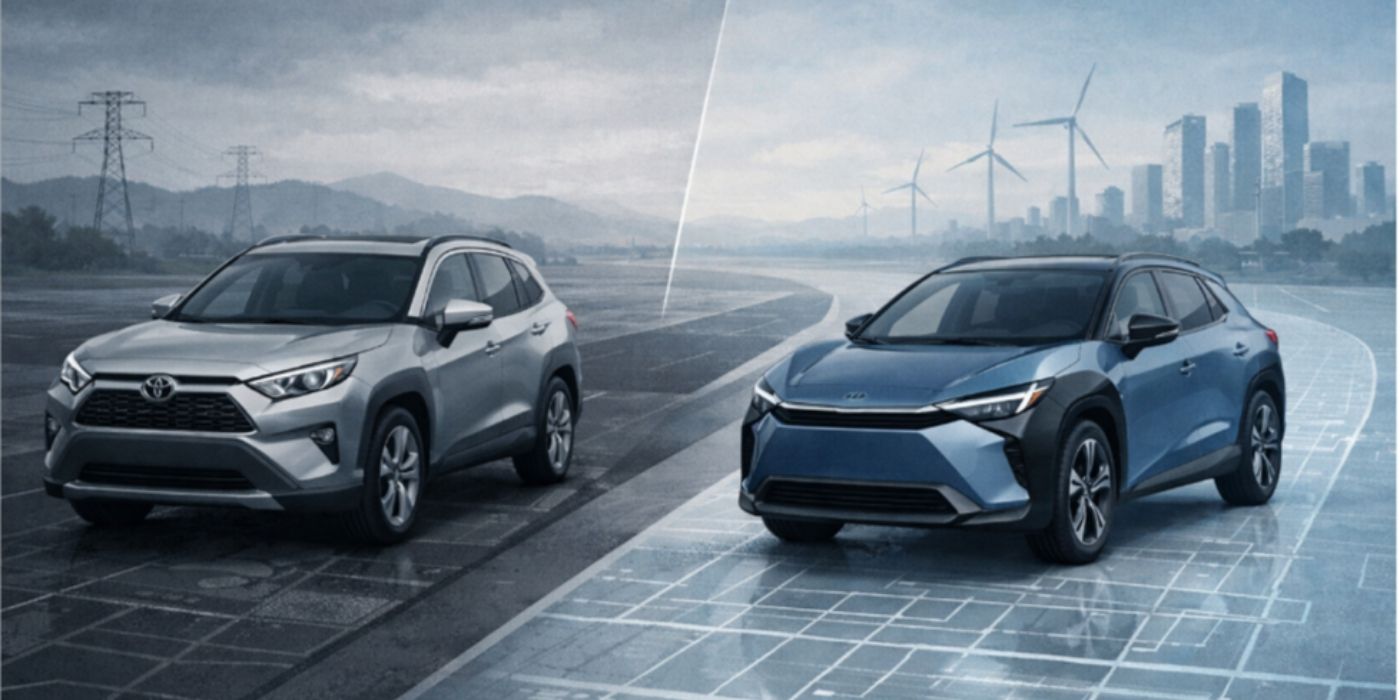
Automotive dealers watch Toyota’s strategy closely because it mirrors a hard truth: your customers aren’t ready for all-electric. While competitors race toward pure EV lineups, Toyota pursues what they call a “multi-pathway” electrification strategy. This isn’t hesitation. It’s market intelligence.
Understanding Toyota’s refusal to abandon hybrids helps dealership groups predict which vehicles remain profitable and which customer segments shift slowly. Torkvia helps dealership groups navigate exactly this kind of manufacturer strategy—translating corporate decisions into actionable dealer intelligence. The question for dealers isn’t whether EVs represent the future. The question is when, and for which customers.
The Market Reality Toyota Sees
Toyota doesn’t dismiss electric vehicles. They’re analyzing adoption barriers through hard market data, and what they’ve found contradicts industry hype. The company publicly documents their reasoning in their 2025 Climate Public Policies statement—a primary source that shows Toyota sees three fundamental obstacles preventing rapid EV transition.
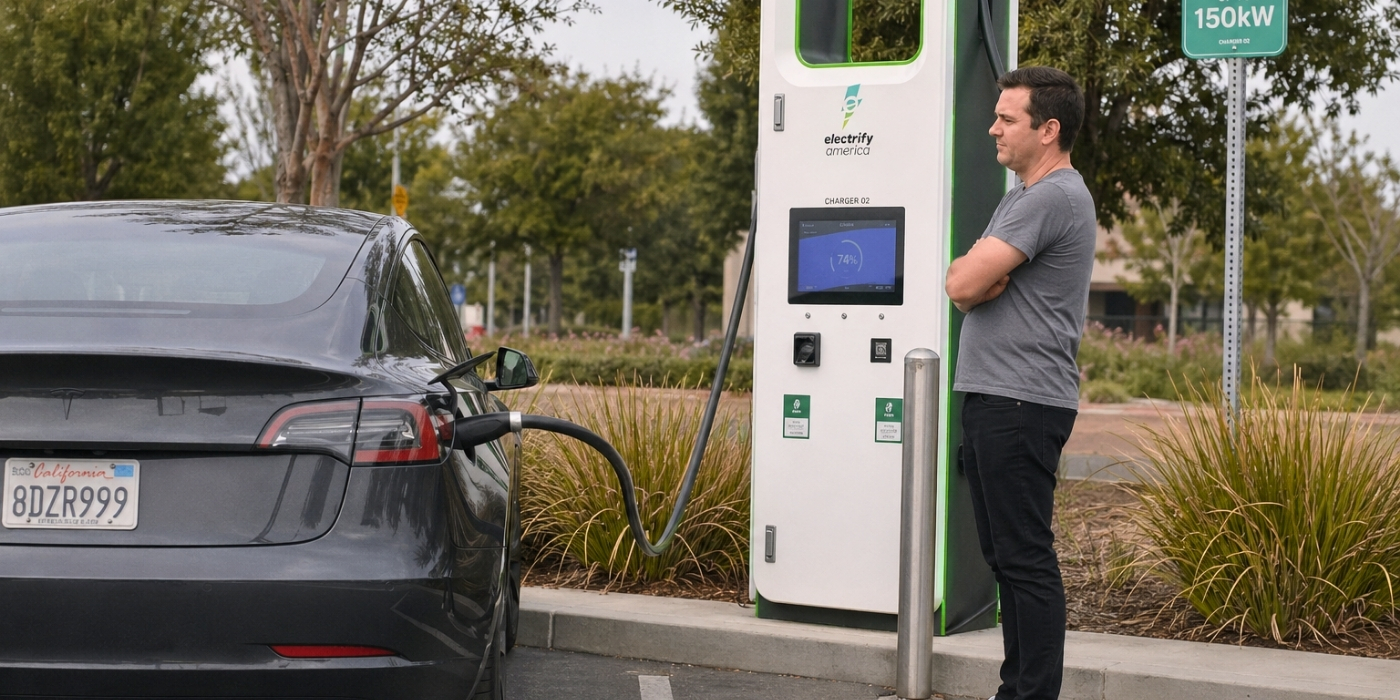
First, charging infrastructure remains concentrated in urban and wealthy markets. Rural areas, secondary cities, and underserved communities lack the network density that makes EV ownership practical. California’s EV mandates show how policy pushes adoption in wealthy metros, yet similar infrastructure simply doesn’t exist in most secondary markets.
Infrastructure Gaps Drive Regional Hesitation
A customer in Montana can’t reliably depend on public charging for daily driving in 2025, let alone 2026. That reality won’t change overnight. Toyota sees this as a primary reason why significant customer segments remain locked into gas and hybrid powertrains for years ahead.
Second, battery costs still price most EVs beyond mass-market reach. Even as battery prices decline, the entry-level EV remains significantly more expensive than comparable hybrid options. Toyota sees this as a barrier for the middle-market customers who drive dealership volume.
Battery Costs Create Entry-Price Problems
When a customer can buy a reliable Toyota hybrid for $28,000 or a comparable BEV for $42,000+, the choice clarifies itself. This isn’t preference—it’s economics.
Third, consumer range anxiety persists despite improving EV specifications. Research from ScienceDirect on EV adoption challenges documents that infrastructure gaps, battery costs, and perceived limitations continue slowing adoption in markets where dealers operate.
This is what Toyota sees that pure-EV advocates miss: significant customer segments can’t or won’t switch for another five to ten years. That’s profitable inventory for dealers who understand the timeline.
Why Multi-Pathway Makes Business Sense
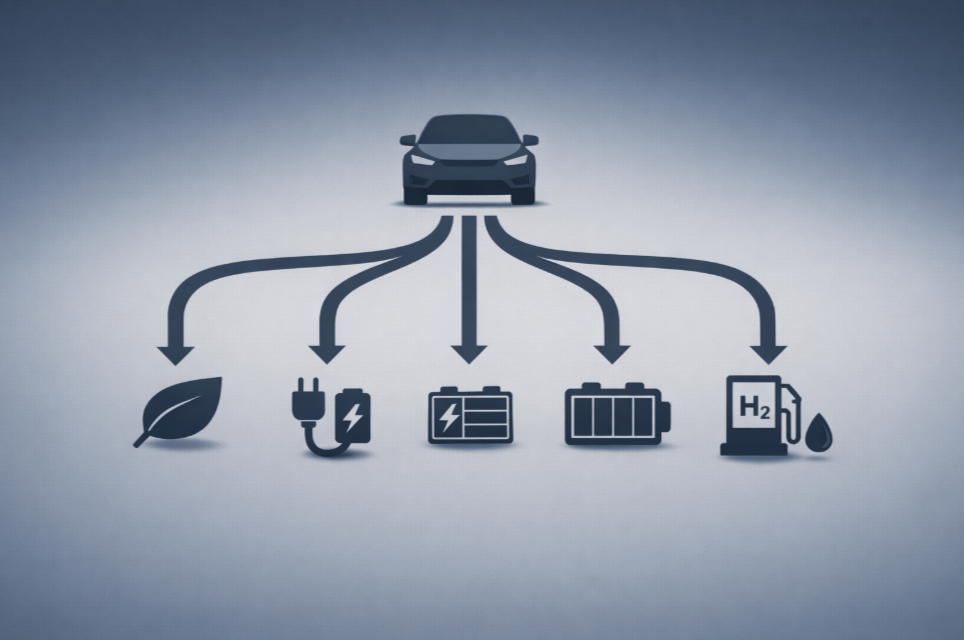
Toyota’s strategy isn’t hedging. It’s segmentation. The company offers four distinct powertrains, each capturing different market segments. Understanding each reveals how Toyota thinks about customer behavior.
Hybrids capture cost-conscious buyers. A hybrid Toyota delivers 50+ mpg efficiency, eliminates range anxiety, requires zero new infrastructure, and costs less than comparable EVs.
For dealerships in markets without robust charging networks—which is most of America outside major metros—hybrids remain the smartest electrification choice customers actually make. Market data from JATO shows hybrids still outperforming pure EVs in markets where infrastructure hasn’t matured.
Plug-In Hybrids Bridge the Fence-Sitters
PHEVs offer daily commute driving on electric power while retaining gas engines for road trips. They satisfy customers who want EV experience without EV commitment. For dealers, PHEVs appeal to exactly the demographic most conflicted about electrification.
Battery electric vehicles serve enthusiasts and urban markets. Where charging infrastructure exists and customers prioritize environmental values, BEVs thrive. Toyota’s bZ battery electric series demonstrates genuine commitment to this segment—not as an afterthought, but as one option among several.
Fuel Cells Remain Future Optionality
Hydrogen fuel cell vehicles remain limited in deployment, but Toyota’s continued investment signals belief that hydrogen infrastructure will eventually compete with charging networks. They’re not betting the company on it today; they’re positioning for it tomorrow.
This multi-pathway approach, which Toyota explains directly on their Europe site, reflects confidence that different customers need different solutions. When Toyota releases inventory, dealers understand the why behind each powertrain. That intelligence helps you position vehicles to the right customer segments at the right margins.
The Infrastructure Reality No One Talks About
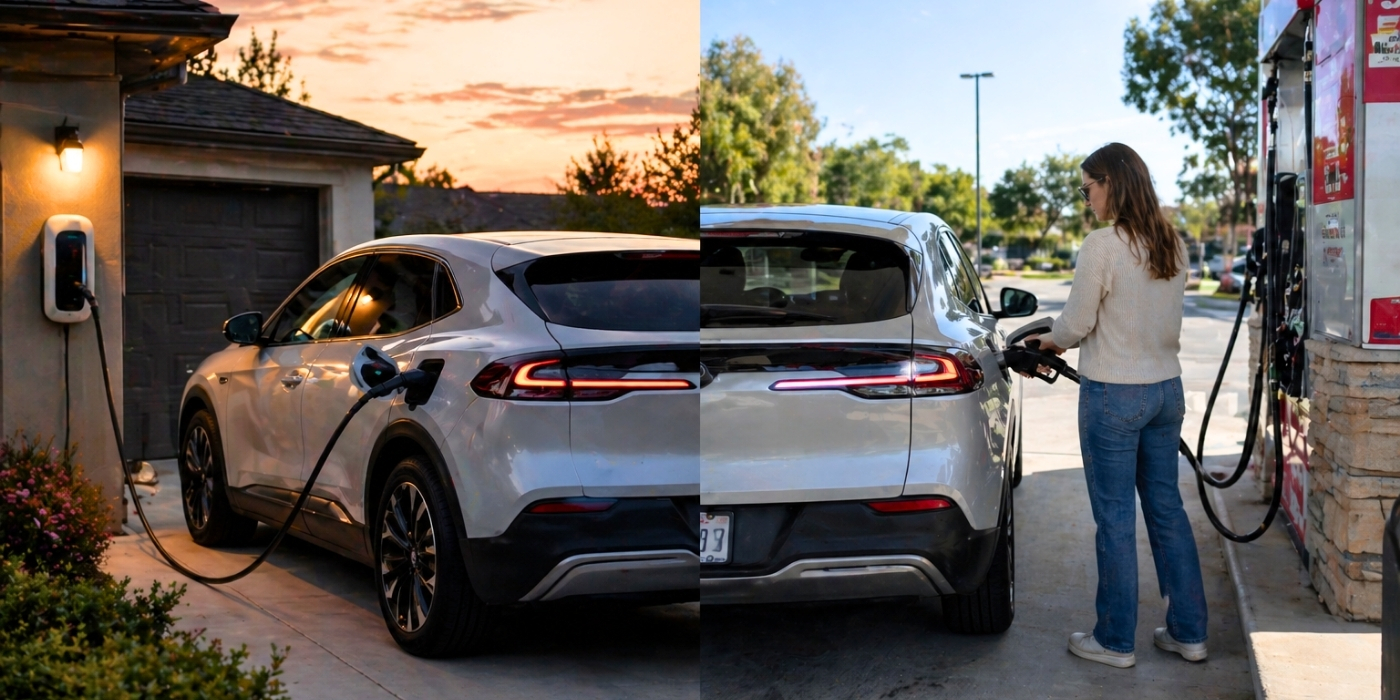
Charging infrastructure isn’t just a technical challenge—it’s an economic one. EV incentives exist across many states, but they mean little in areas without reliable charging networks. Rural markets, secondary cities, and neighborhoods without dedicated parking face real barriers to EV adoption that subsidies alone can’t fix.
Toyota’s multi-pathway strategy acknowledges a reality many competitors ignore: electrification readiness depends heavily on geography. A buyer in Seattle faces different constraints than one in rural Wyoming. By segmenting customers by location—not just demographics—Toyota recognizes that a dealership’s location shapes EV readiness as much as income or age.
Consumer Psychology Behind Toyota’s Strategy
Toyota segments buyers by psychology first, technology second—revealing how differently customers approach electrification.
- Pragmatists: Value proven reliability, low risk, and lower upfront cost. Distrust charging infrastructure and prefer technology validated at scale. Hybrids appeal by eliminating guesswork.
- Early Adopters: Accept EV limitations for environmental signaling and tech status. Prioritize being first. BEVs appeal as identity and innovation.
- Skeptics: Risk-averse, not anti-EV. Worry about range and charging reliability. PHEVs bridge the gap with an EV experience plus a gas safety net.
Understanding these archetypes matters more than memorizing specs. Teams that recognize them can align inventory to real concerns—not electrification hype.
What This Means for Dealer Inventory Strategy
Toyota’s multi-pathway strategy is predictive. Dealers who align inventory decisions with that intelligence outperform those waiting for an all-electric future that comes slower than hype suggests.
Stock Hybrids Heavily in Secondary Markets
Lower infrastructure barriers and lower price points drive volume. In markets outside major metros, hybrid demand remains strong and margins healthy. Toyota’s sustained hybrid production reflects their confidence in this thesis. This is where you capture reliable, profitable sales.
Position Plug-In Hybrids as Compromise Vehicles
This is where you capture customers caught between environmental values and practical concerns. PHEVs satisfy both. For dealerships, PHEVs represent the highest-margin segment of customers most likely to upgrade or purchase additional vehicles.
Reserve Battery Electric Inventory for Urban Areas
Match supply to infrastructure reality. Customers in areas with robust charging networks have fewer reasons to hesitate on BEVs. Conversely, placing BEV inventory in markets without charging infrastructure creates unsold units and customer frustration.
Educate Sales Teams on Powertrain Positioning
Each vehicle serves a different buyer psychology, not just different technology. A salesperson who recognizes whether a customer is a pragmatist, early adopter, or skeptic can position the right powertrain effectively. This changes conversion rates.
Track Customer Questions About Range and Charging
These questions reveal geographic and demographic hesitation. When you notice certain customer segments asking about charging frequency or range limits, you’re seeing the infrastructure barrier Toyota identified. Respond by stocking more hybrids and PHEVs for those segments.
Plan Long-Tail Hybrid Inventory with Confidence
Hybrids will remain profitable longer than most competitors assume. Toyota’s strategy suggests hybrids will drive meaningful volume through 2030 and beyond in secondary markets. Don’t let industry narratives push you away from proven sellers.
The Competitive Advantage of Understanding Manufacturer Intent
Many competitors assume EV adoption will accelerate within three to five years and are adjusting inventory accordingly. Toyota, by contrast, is planning for a ten-to-fifteen-year transition. Forbes has highlighted how Toyota leadership publicly challenges aggressive EV forecasts, supporting its multi-pathway strategy with data-driven skepticism rather than optimism.
This gap creates a tangible competitive advantage. While others scale back hybrids based on what the market should do, Toyota continues producing them based on what customers are actually doing. Dealers who understand this timeline can hold hybrid inventory with confidence, avoid chasing EV-only narratives that don’t match local demand, and compete on real customer needs instead of industry hype.
How Torkvia Helps Dealers Navigate Manufacturer Strategy
Understanding manufacturer intent helps dealers anticipate instead of react. Knowing why Toyota commits to hybrids—and what that signals about real customer readiness—leads to smarter inventory decisions. Torkvia’s AI-powered platform analyzes manufacturer roadmaps and customer inquiry patterns to predict demand shifts before they happen, connecting real customer behavior to dealer execution.
Instead of chasing announcements, dealers respond to actual market signals. That’s how smarter groups market better, sell more, and gain a competitive edge. Ready to align your inventory with real demand? Contact Torkvia today to see how AI-powered insights help decode manufacturer strategy and customer psychology.
The Long Game: Why Dealers Who Understand Toyota’s Strategy Win
Toyota’s multi-pathway approach isn’t hesitation—it’s clarity. Dealers who adopt the same perspective outperform competitors chasing EV hype by optimizing inventory around real-world infrastructure, cost, and customer behavior. The future isn’t all-electric tomorrow; it’s intelligently mixed for the next decade—and the dealers prepared for that reality will win the margin and market share.
FAQ
Why does Toyota still make hybrids if EVs are the future?
Toyota produces hybrids because they remain profitable and customers buy them. Hybrids address real customer concerns—range anxiety, infrastructure gaps, upfront cost—that many EV buyers still face. Toyota’s multi-pathway strategy reflects market reality, not technology stubbornness.
Aren’t EV adoption rates accelerating faster than Toyota predicts?
EV adoption is growing in markets with charging infrastructure and wealthy demographics. However, research on EV adoption challenges shows infrastructure gaps and battery costs continue limiting adoption in secondary markets where dealership volume concentrates. Toyota’s timeline reflects geographic variation in adoption rates.
How long will dealerships stock hybrids profitably?
Based on Toyota’s strategy and production forecasts, hybrids should drive strong volume through 2030 and likely beyond—especially in secondary markets. The exact timeline depends on dealership geography, customer mix, and local charging infrastructure.
Should dealers stock more EVs or hybrids?
Match inventory to local demand. In areas with strong charging access and BEV interest, stock EVs. In secondary and rural markets, hybrids and PHEVs usually outperform. Let customer behavior—not industry narratives—guide decisions.
What does Toyota’s strategy mean for dealer margins?
Hybrids and PHEVs often deliver healthier margins due to lower competitive pressure and steadier demand. Toyota’s continued investment signals margin stability for the next decade.
Are plug-in hybrids the real opportunity?
In most markets, yes. PHEVs attract buyers balancing environmental goals with practicality and often become loyal, repeat customers.
How should dealers position this to customers?
Lead with psychology, not technology. Identify whether a buyer is pragmatic, an early adopter, or skeptical—and match the powertrain to their priorities so the choice clearly fits their real needs.